The UP42 console offers map projections and styles to help you visualize geographic data for different use cases.
You can switch between four map projections to change how the Earth’s surface is displayed on the map.
A 3D spherical view of Earth. Use to explore global geography and understand spatial relationships at a planetary scale. Globe is the default projection.
An equal-area map projection. Preserves the relative size of landmasses but distorts shape toward the poles. Use to compare the true size of countries and regions.
A compromise projection that balances area, direction, and distance distortion. Use to view the entire world with less polar distortion than Mercator.
A flat map projection commonly used in web maps. Preserves local shapes and angles but distorts area at higher latitudes. Use for navigation and regional analysis at mid-latitudes.
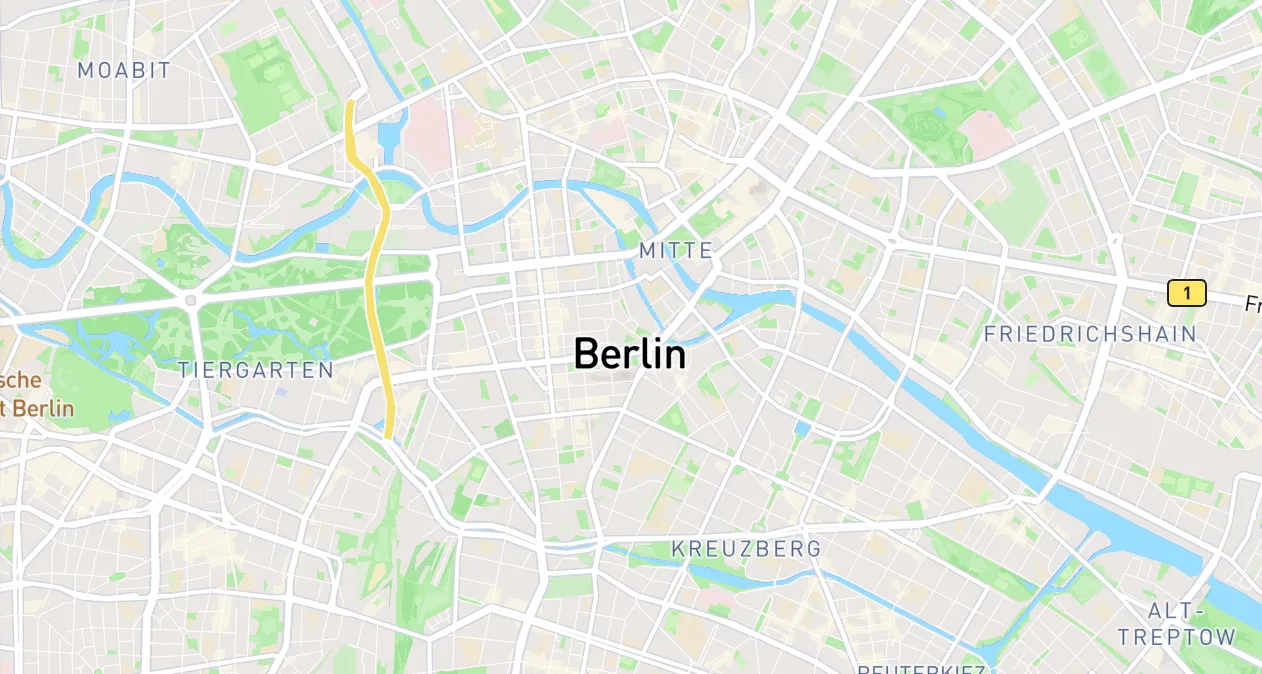
A standard map with roads and administrative boundaries. Use to understand the context of an area.
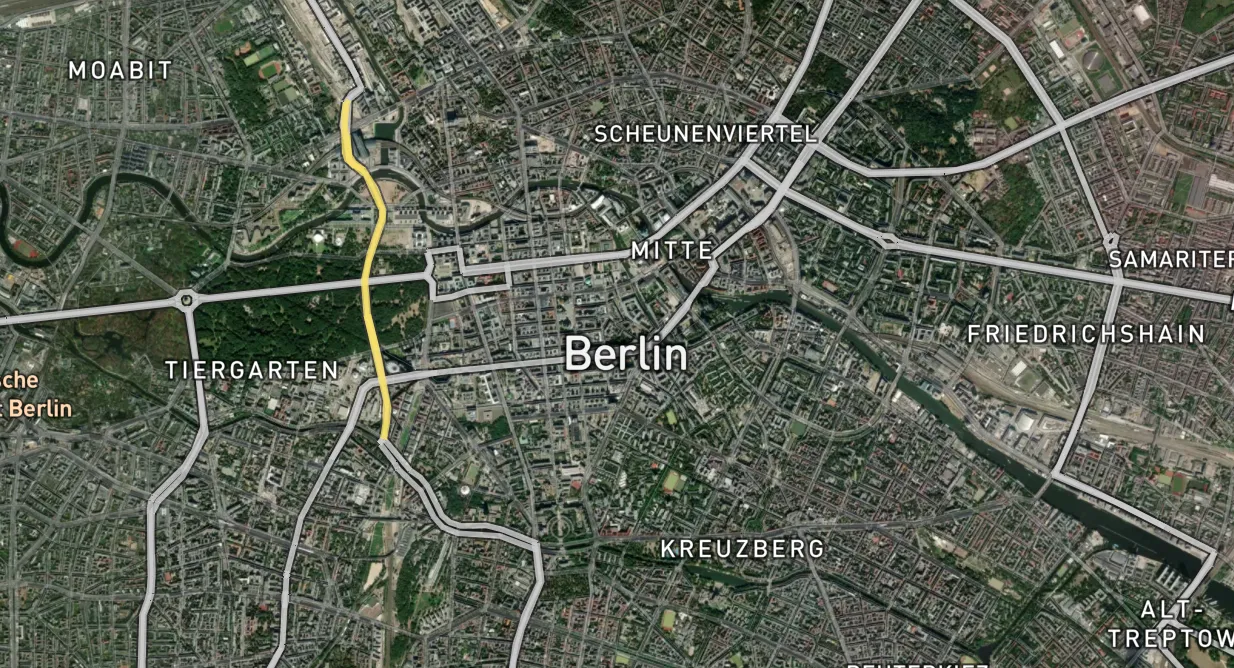
A map with satellite view. Use to view realistic ground details.
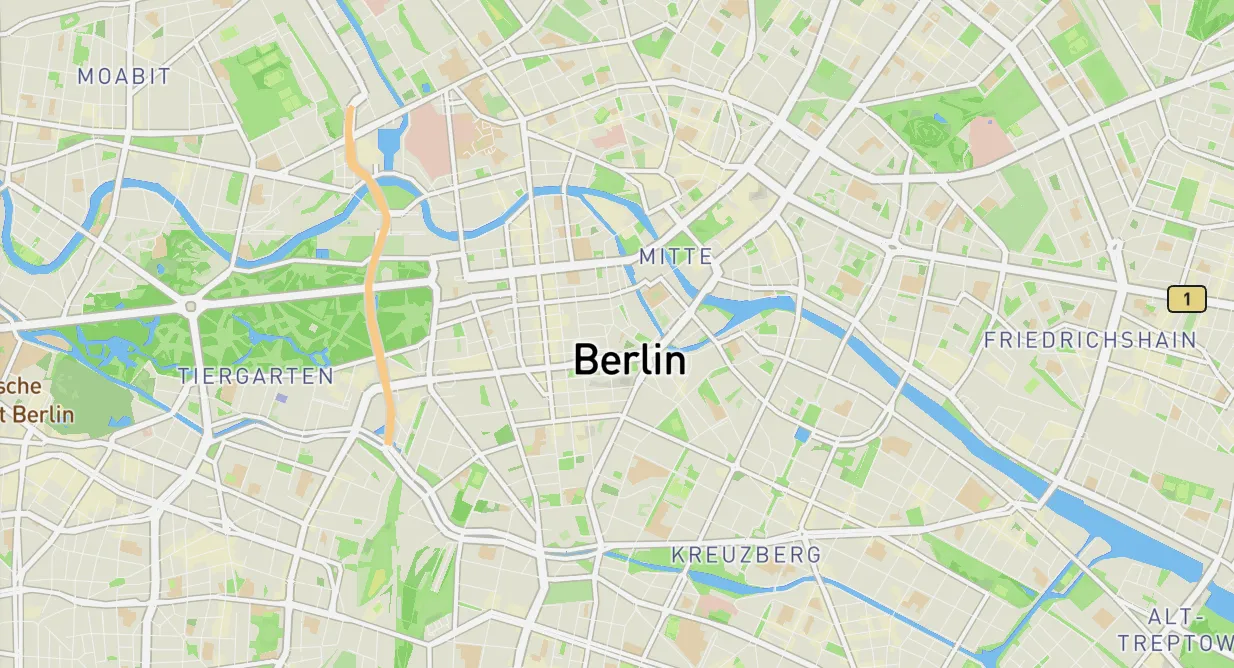
A map with terrain, elevation, and natural features. Use to understand the topography of an area.
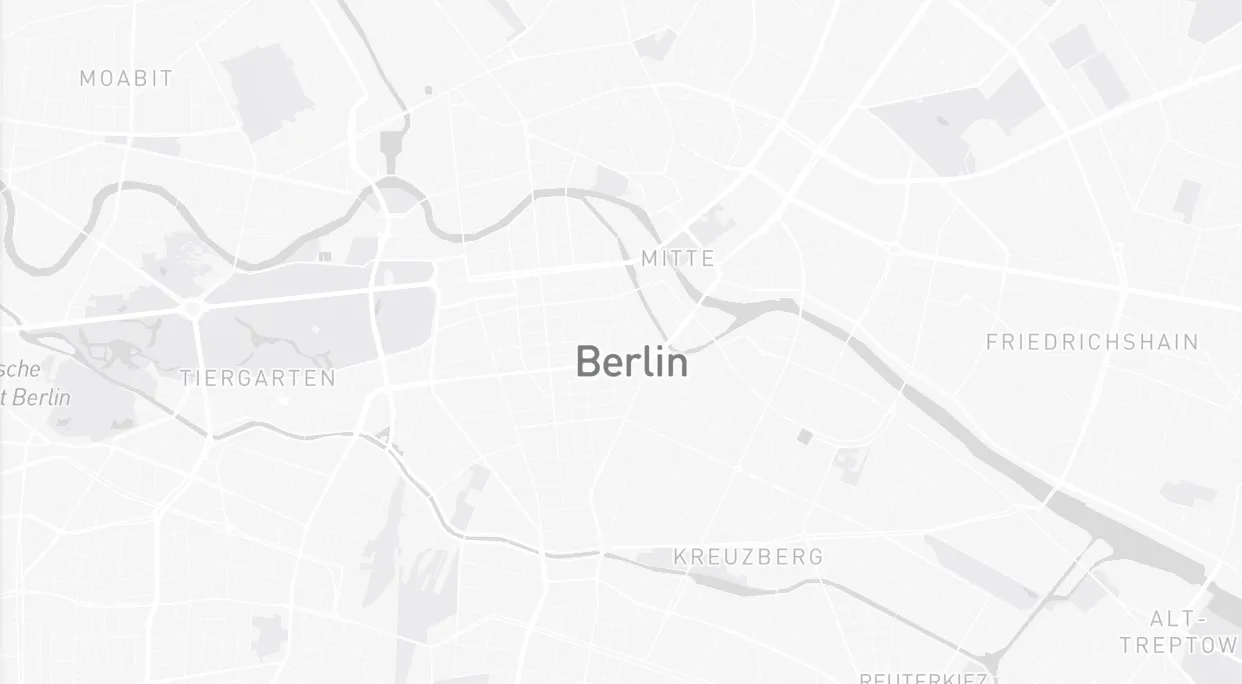
A clean, low-contrast map. Use for data visualization or data overlay.
-
Open the console and go to
 Catalog,
  Tasking, or
  Data management.
- In the bottom-right corner, click
 .
. - Under Projections, select Globe, Equal Earth, Winkel tripel, or Mercator.
The change will be applied immediately and saved for future sessions.
-
Open the console and go to Catalog, Tasking, or Data management.
- In the bottom-right corner, click .
- Under Layers, select a map style.
The change will be applied immediately and saved for future sessions.
You can control the visibility of map labels, such as the names of cities, countries, and roads. Keep labels visible when you need geographic context and orientation. To declutter the map and focus on your own data layers, hide the labels for a cleaner view.
-
Open the console and go to Catalog, Tasking, or Data management.
- In the bottom-right corner, click .
- Under Settings, click the switch to turn labels on or off.
The change will be applied immediately and saved for future sessions.
By default, geometries are filled. You can display them as outlines with no fill to better see the basemap and other assets underneath your shapes. This option isn’t available for maps in Tasking.
- Open the console and go to Catalog or Data management.
- In the bottom-right corner, click .
- Under Settings, click the Outline only switch to turn the view on or off.
The change will be applied immediately and saved for future sessions.